Essays
The Art of Life
An exploration of the relationship between art and everyday life, beginning with Oscar Wilde’s proposition that life imitates art. The article looks at how literature, music, film, theatre and visual culture shape how we understand the world.
In 1889, Oscar Wilde published The Decay of Lying and made the claim that continues to spark debate across literary circles: “life imitates art far more than art imitates life.”
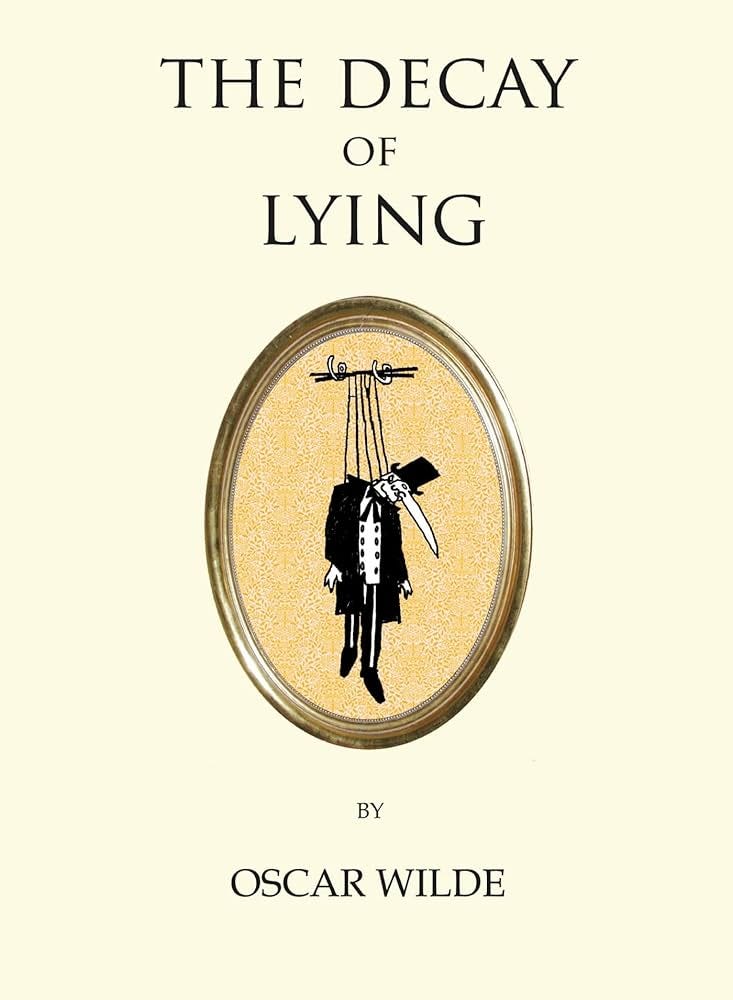
While a lot of you may think that this is a chicken-and-egg situation, Wilde rested his argument on a simple observation about perception. He suggested that over the years, people have learned to see through the lens of art and creative expressions that are already in circulation.
While they can, of course, see and experience their everyday lives, they only learn what to notice and to name what they notice and how they feel about it because they have been fed related art in some form. Think of it as poetry, art, or prose that has given them the words to express or acknowledge their thoughts and feelings.
He turns to the London fog to make the point. The fog has been most commonplace in the city and was mostly considered an intrusion or just a part of city life. But once artists began to romanticise it and write about it fondly as a part of the city’s poetic disposition, it came to be recognised as something atmospheric, and now its presence is acknowledged fondly.
This way of thinking has also been examined across fields beyond literature. Erving Goffman, a sociologist, studied how people conduct themselves in everyday situations. His work showed that much of how people behave comes from what they have already seen and absorbed over time, through culture, observation, and repetition.
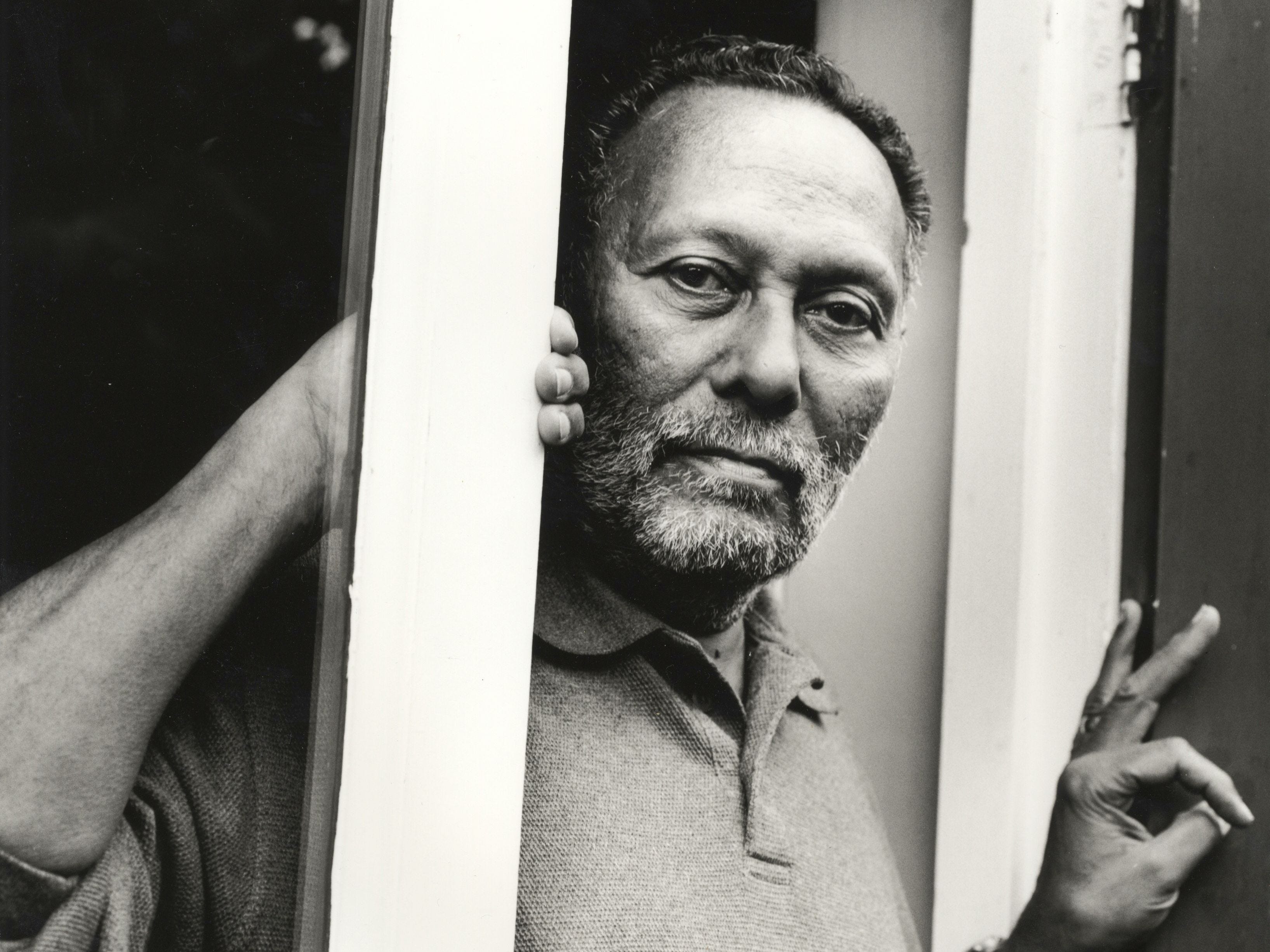
Stuart Hall, a cultural theorist, wrote about representation in media and culture. He focused on how the way something is presented influences how it is understood, and how repeated exposure over time begins to offer certainty and meaning to feelings and experiences.
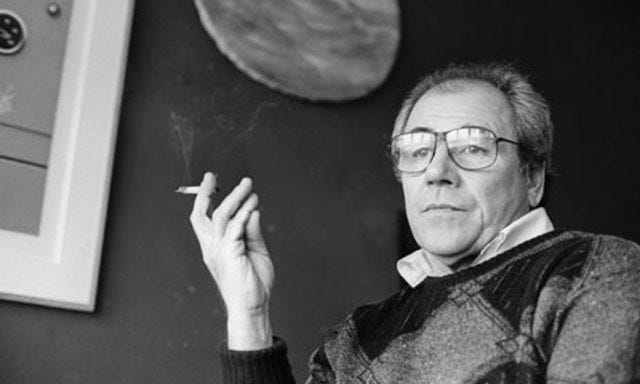
Jean Baudrillard wrote about the role of images and media in contemporary life. He examined how representations begin to take on authority, to the point where people respond to them as though they are reality itself.
Across different disciplines, the idea has remained consistent. People do not rely only on direct experience. They rely on what they have already encountered through culture and shared information.
Having established this, what we also need to consider is that art does not exist in isolation. It exists because there are people who create it. People who think freely, who explore ideas, emotions, places, and moments, and bring them into the world in a way that others can familiarise themselves with them. This has been in practice for as long as one can remember. In fact, everything we use to understand our lives comes from somewhere.
The way we experience rain including the recognition of its scent on soil. We call it ‘petrichor’. The way a season builds association and memory. The way intimacy is expressed between lovers. The way grief is shared and empathised with. Even the simplest things we say to someone we care about draw from something that has been written, created, or expressed before.
People turn to music, to films, to theatre, to writing, because these forms give them access to something they cannot always express on their own. They help people feel, think, and make sense of what they are going through.
So you see, if life imitates art, then the conversation cannot stop at art. It has to include the artist. Because you cannot protect art if you do not protect the artist.
This means that a society and its governing bodies have to take responsibility for preserving existing art forms and creating new spaces for future artists. It includes protecting the people who create and actively nurturing the spaces that can help sustain creative pursuits.
Kornica Dhar