Analysis
Perfume Brands That Have Mastered the Art of World Building
An examination of perfume brands that build entire worlds around scent through visual identity, mythology, packaging, campaigns and experience. The article looks at how world-building turns an intangible product into a distinctive cultural universe.
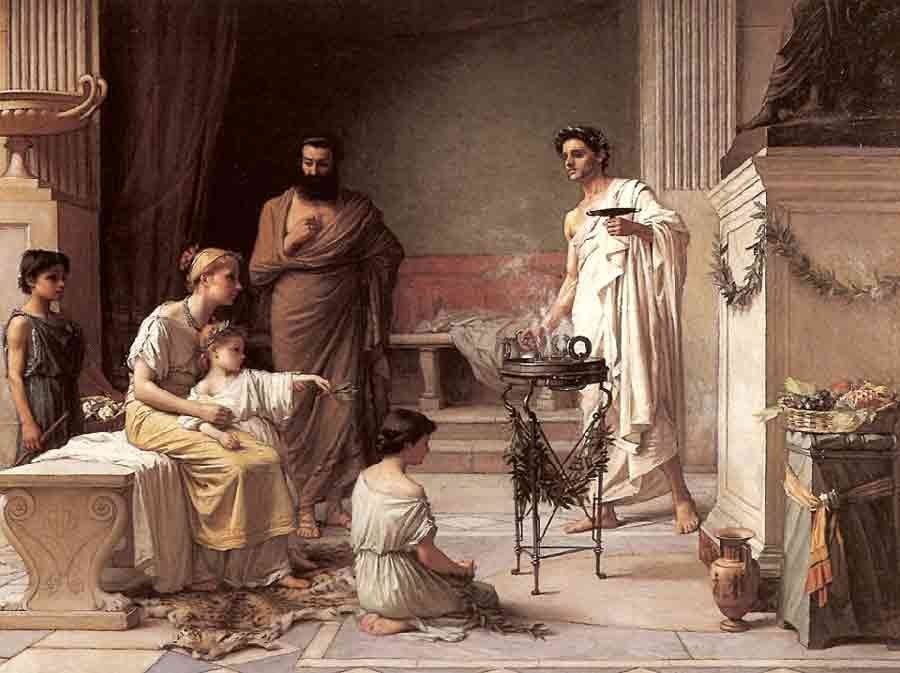
Perfumes have always exceeded their material form. Long before the category took shape around retail shelves and marketing cycles, scent functioned as a marker of identity, status, and proximity. In ancient civilisations, perfume was bound to ritual and medicine, to spirituality and the body, to power and intimacy. It existed at the meeting point of the physical and the symbolic, carried by skin, breath, and memory.
In contemporary culture, perfume has become one of the most nuanced forms of self-expression available. A fragrance does not exist independently of the person who wears it. It interacts with body chemistry, mood, environment, and temperament in ways that no other sensory medium can quite replicate.
As buying behaviour has evolved and attention has become more difficult to sustain, scent has revealed a particular kind of complexity. Perfume is tactile, intimate, and deeply subjective. It cannot be fully understood through description alone, and it rarely reveals the potential of its character at first encounter.
A scent shifts with heat, movement, chemistry, and time. What feels promising in a brief test may unfold very differently once worn through the course of a day. This is what makes marketing perfume both compelling and difficult. Notes and ingredient lists offer orientation, yet they remain abstractions until fragrance meets the body and pheromones.
For brands, this creates a distinct challenge. In a landscape crowded with technically well-made fragrances, quality alone cannot be the reason to believe or to buy. Established luxury houses enter the category with a built-in advantage. Their names already carry trust and familiarity, allowing people to approach their perfumes with confidence and comfort. Independent perfume brands operate under very different conditions. Without inherited recognition, they have to find ways to reach their audience’s consideration matrix.
This is why such brands must think beyond product and design. Brand narrative and world-building, hence, take on strategic importance. For independent perfume houses, especially, storytelling provides the context through which even a new fragrance has a visual or contextual appeal and may be approached without biases.
There are, in fact, a few brands that have identified their portfolios with unusual clarity and built design stories that extend beyond the bottle. They operate as cultural systems, attentive to how fragrance is perceived, engaged with, and experienced across the senses. Choices around formulation, language, imagery, pacing, and restraint align into a coherent logic and aesthetic. In a category defined by subjectivity and intimacy, such alignment becomes a decisive advantage. Anyone building in this space or looking to grow meaningfully must consider identifying their true niche and truly commit to it.
Byredo
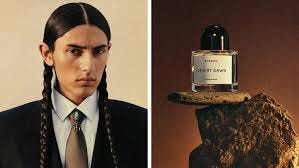
Founder: Ben Gorham, 2006
Byredo was founded in 2006 by Ben Gorham at a time when fragrance was beginning to shift from a luxury accessory into a broader cultural phenomenon.
Gorham’s background sat closer to sport, music, and contemporary art than to traditional perfumery, and that perspective shaped the brand from its earliest days. Byredo approached scent as part of a wider aesthetic, something that moved easily between fashion, interiors, travel, and personal style.
The brand’s early fragrances were framed with an unusual lightness of touch. Names hinted at places, moments, or atmospheres without spelling them out. There was no insistence on narrative completion. This openness allowed Byredo to sit naturally alongside the wearer’s own references, becoming part of who they are and how they want to express themselves. Over time, familiarity replaced novelty as the point of connection.
Byredo’s visual language played a quiet but decisive role in this positioning. The bottles remained recognisable and unchanged. Typography stayed clean and confident. Campaign imagery drew from fashion portraiture and contemporary photography, focusing on faces, texture, and presence. Fragrance emerged as part of a lifestyle framework, embedded within culture, rather than being separated from it.
On social platforms, Byredo maintained the same tone. The Instagram feed developed slowly, with repeated visual cues and a steady pace. Content did not place a heavy focus on trends. Instead, it reinforced a recognisable mood. This consistency allowed the brand to feel familiar without becoming entirely predictable.
What distinguishes Byredo is its ease and ability to stand on its own. The brand never strained to prove relevance or expertise. Over the years, Byredo’s quiet confidence and creative campaigns translated into continued trust. As the brand expanded across categories and collaborations, its identity and community strengthened, anchored by a clear sensibility that is now identifiable, relatable, and aspirational.
Ffern


Founder: Huw Morgan, 2017
If you have not seen the very creative visual campaigns Ffern hosts and curates on their platforms, you must take a break from reading and visit their Instagram. Ffern has built its entity around seasonality as a governing principle. The brand releases four perfumes a year, each tied to a specific season and available only for a limited period. Each fragrance is released on a solstice or equinox, turning points in the year as the Earth orbits around the Sun.Once the season ends, the fragrance is withdrawn.
Patrons are invited to experience the product. Visuals centre on land, weather, orchards, and handwritten communication. Physical letters and objects extend the brand world beyond the screen.
Ffern’s Instagram mirrors this pace. Content is creative, repetitive, and glorifies craft and nature. Ffern is a great example of how slow craft and patience can thrive without losing relevance.
Documents Perfume
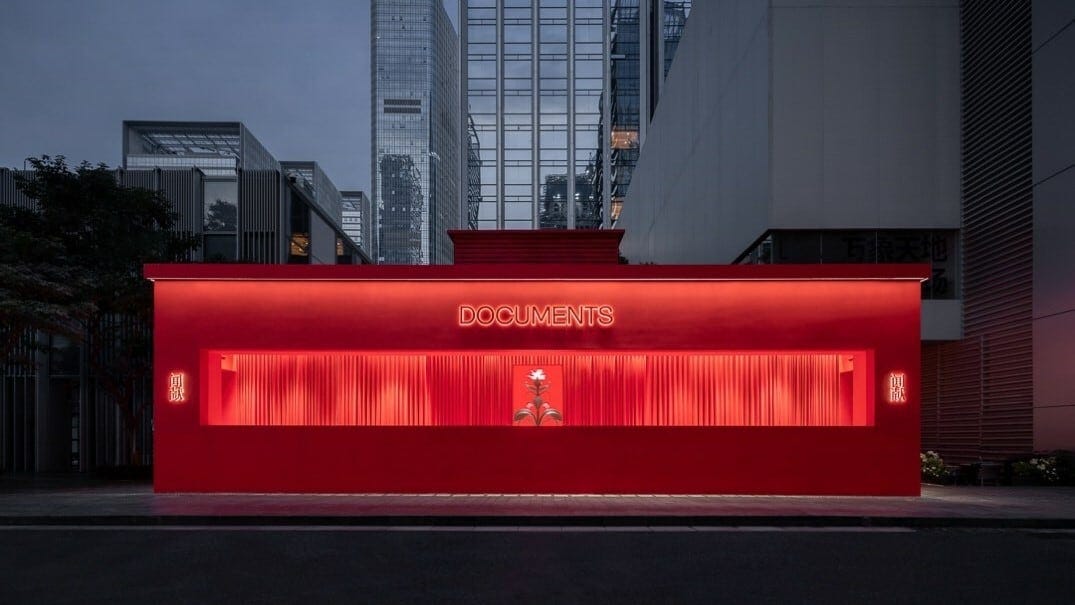
Founded: 2021
Creative direction: Internal studio
Documents Perfume emerged in 2021 from a cultural context where fragrance branding in China was still largely borrowing Western luxury codes. Instead of adapting those visual cues and narrative systems, the brand positioned itself within contemporary Chinese design culture, drawing from independent publishing, architecture journals, and gallery catalogues.
The approach treats fragrance as part of a wider cultural object system. Typography, layout, and colour are handled with the discipline of editorial design. Bottles, packaging, and imagery feel closer to printed matter than to conventional beauty products. This immediately alters how the brand is perceived and how its work is approached.
Documents avoid explanatory storytelling. Product names remain abstract. References are neither translated nor contextualised for global legibility. This is deliberate. The brand assumes an audience that is visually and culturally literate, and allows that confidence to carry the work.
Across Instagram and the website, content is composed with intention. Posts resemble finished spreads rather than moments captured for engagement. The feed moves slowly, reinforcing recognition through continuity rather than volume. Documents demonstrate how confidence in audience selection can replace the pursuit of ubiquitous reach, and how grounding design in cultural heritage can function as a narrative in itself.
DedCool
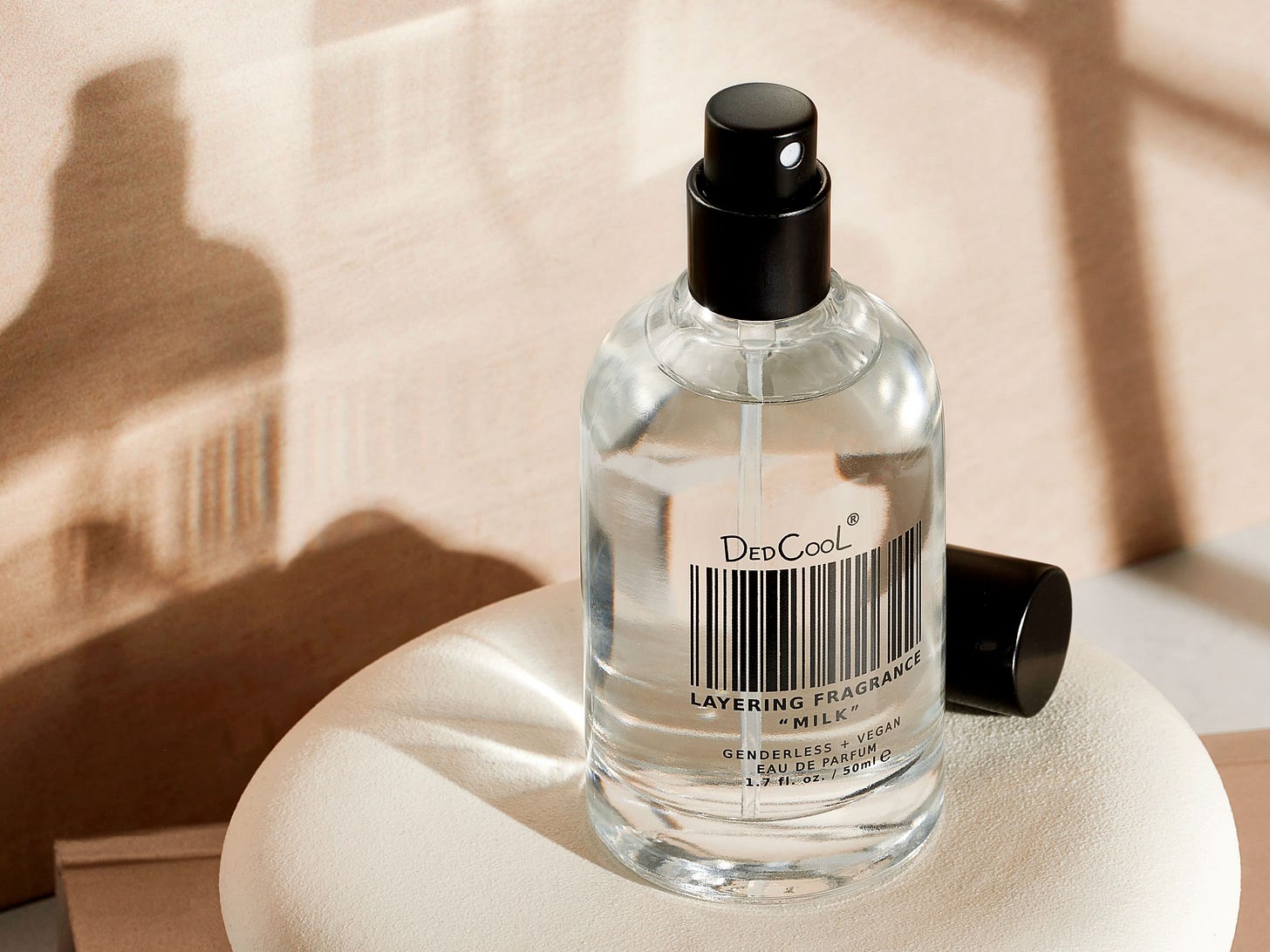
Founder: Carina Chaz, 2016
DedCool was founded in 2016 by Carina Chaz with a clear intention to change how fragrance fits into everyday life. At the time, perfume was still largely positioned as an occasional or performative product. DedCool reframed it as something functional, repeatable, and integrated into daily routine.
This intent shaped the brand from formulation to communication. Clean ingredients and gender-neutral positioning were not used as marketing claims but as baseline decisions. Fragrance was designed to be worn often, layered, and revisited to find familiarity with the wearer.
Visually, DedCool avoided fantasy and distance. Content focuses on people, personal spaces, bathrooms, bedrooms, and lived environments. The product is rarely isolated. It appears alongside clothing, skincare, and objects, reinforcing its place within routine.
DedCool’s growth has been closely tied to community participation. Customer imagery and creator collaborations form a substantial part of its communication. Over time, this repetition builds familiarity and trust. DedCool shows how reducing intimidation and increasing proximity can expand a category without flattening identity.
Imaginary Authors
Founder: Josh Meyer, 2012
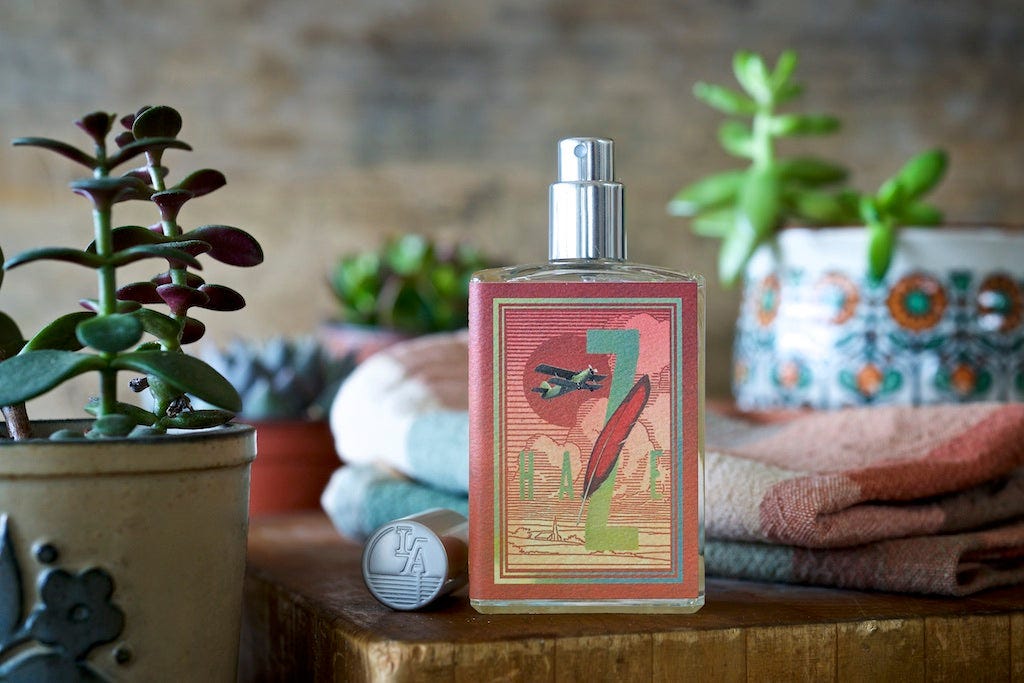
Imaginary Authors was founded in 2012 by Josh Meyer as a response to a persistent problem in perfumery: the difficulty of talking about scent. Rather than relying on technical descriptions, the brand built a literary framework to give people another way in.
Each fragrance is presented as a fictional book, complete with title, author, and narrative context. This structure does not attempt to explain how the fragrance smells. Instead, it creates an imaginative reference point that people can carry with them while wearing it.
Design plays a critical role in sustaining this system. Packaging, illustration, and typography reinforce the literary framing across all touchpoints. On Instagram, excerpts of a story and images extend the world without resolving it. The experience remains open, encouraging return and reinterpretation.
Imaginary Authors demonstrates how narrative can function as translation without simplification. By offering a story instead of a specification, the brand lowers the barrier to entry while preserving depth and individuality.
Zoologist Perfumes

Founder: Victor Wong, 2013
Zoologist Perfumes was founded in 2013 by Victor Wong and is built entirely around a conceptual framework that links scent to animal life and habitat. Each fragrance is anchored to a specific animal, with composition, ingredients, and illustration shaped by its environment and behaviour.
This is not a naming device. The animal concept governs formulation decisions. Forest animals inspire dense, earthy structures. Aquatic creatures influence mineral and marine compositions. Visual identity draws from natural history illustration, creating a recognisable system across the range.
Zoologist provides extensive contextual material alongside each release. Customers are encouraged to read, compare, and revisit. Engagement develops through understanding how each fragrance fits into the broader ecosystem the brand has created.
The brand’s strength lies in its willingness to support extended engagement. By designing for curiosity and time, Zoologist builds loyalty through depth rather than accessibility, appealing to an audience that enjoys sustained interaction with scent.
Hiram Green

Founder: Hiram Green, 2013
Hiram Green founded his brand in 2013 with a non-negotiable commitment to working exclusively with natural materials. This decision was made in a category increasingly reliant on synthetics for scale and consistency. Constraint became the brand’s defining structure.
Every aspect of the business follows from this choice. Formulation, sourcing, and production timelines are shaped by ingredient availability. Communication focuses on materials and process rather than promise. There is no attempt to broaden the story beyond what the work itself supports.
Visually, the brand remains restrained. Imagery often centres on raw ingredients, studio moments, and finished bottles without embellishment. Over time, recognition builds through repetition and clarity.
Hiram Green demonstrates how limitation can sharpen identity. By committing fully to a narrow path, the brand builds trust and distinction through consistency rather than expansion.
Brands worth watching
Essential Parfums
Founded by industry veteran Géraldine Archambault, Essential Parfums challenges the economics of niche perfumery by shifting focus away from mythology and toward formulation and perfumer credit. Intentionally pared-back packaging and communication allow the work itself to lead, reframing luxury around access and transparency.
Anomalia Paris
Anomalia approaches fragrance as part of a broader creative ecosystem spanning art, fashion, and film. Its collections resemble conceptual studies more than traditional launches, prioritising cultural alignment over immediate legibility.
27 87
Based in Barcelona, 27 87 positions scent around contemporary identity and temporality. Abstract naming, modernist packaging, and restrained visuals support an emphasis on how fragrance evolves through wear.
BDK Parfums
BDK Parfums draws from Parisian geography and emotional atmosphere. References to neighbourhoods, time of day, and personal memory ground the brand in mood-driven storytelling with controlled romanticism.
Neela Vermeire Creations
Neela Vermeire Creations works with classical Indian raw materials and attars, translating regional heritage into a contemporary niche-perfumery language. The brand’s strength lies in mediation, not nostalgia.
Mellifluence Perfume
Mellifluence is an emerging Indian house focused on material quality and artisanal process. Its willingness to explore unconventional compositions signals a growing movement toward intent-driven identity building.
Perfumer H
Founded by Lyn Harris, Perfumer H is defined by restraint across formulation, retail experience, and communication. Quiet physical spaces and considered visuals reinforce a long-term commitment to clarity and craft.
About the author
Kornica Dhar works across brand, culture, and narrative strategy, with a focus on how businesses build clarity, meaning, and relevance over time. Her work sits closely with founders and leadership teams, particularly in categories shaped by identity, trust, and sensory experience. This article draws from ongoing work within the fragrance space and reflects a broader interest in how storytelling and design shape long-term brand perception.
Kornica Dhar