Analysis
Lacoste’s Court-side Power Move
A look at Lacoste’s relationship with tennis and the strategic value of the court as a space where sport, fashion and culture intersect. The piece examines how a heritage brand can build contemporary relevance from a territory it genuinely owns.

So recently, the fashion and lifestyle brand Lacoste has developed two permanent padel courts in Courchevel 1850, in the French Alps.
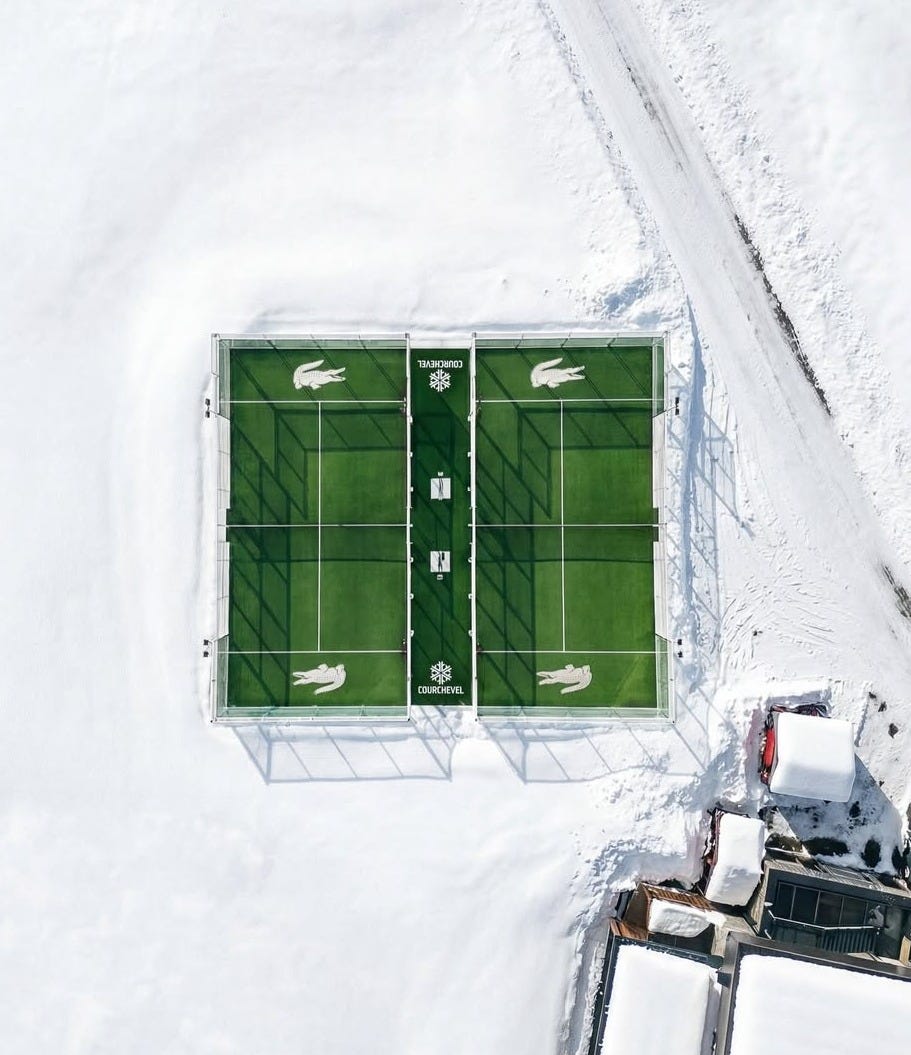
While the courts look beautiful and feel like a natural addition to Courchevel 1850, it is important to note that this is also a strong strategic move for Lacoste, one that aligns closely with how the brand has historically approached sport, leisure, and long-term brand building.
For much of its history, Lacoste has occupied a distinctive position in sport. René Lacoste’s involvement in tennis shaped how the brand embodied principles of movement, discipline, and restraint. The clothing line was developed in response to the demands of the game, and over time, that functional thinking evolved into a recognisable aesthetic.
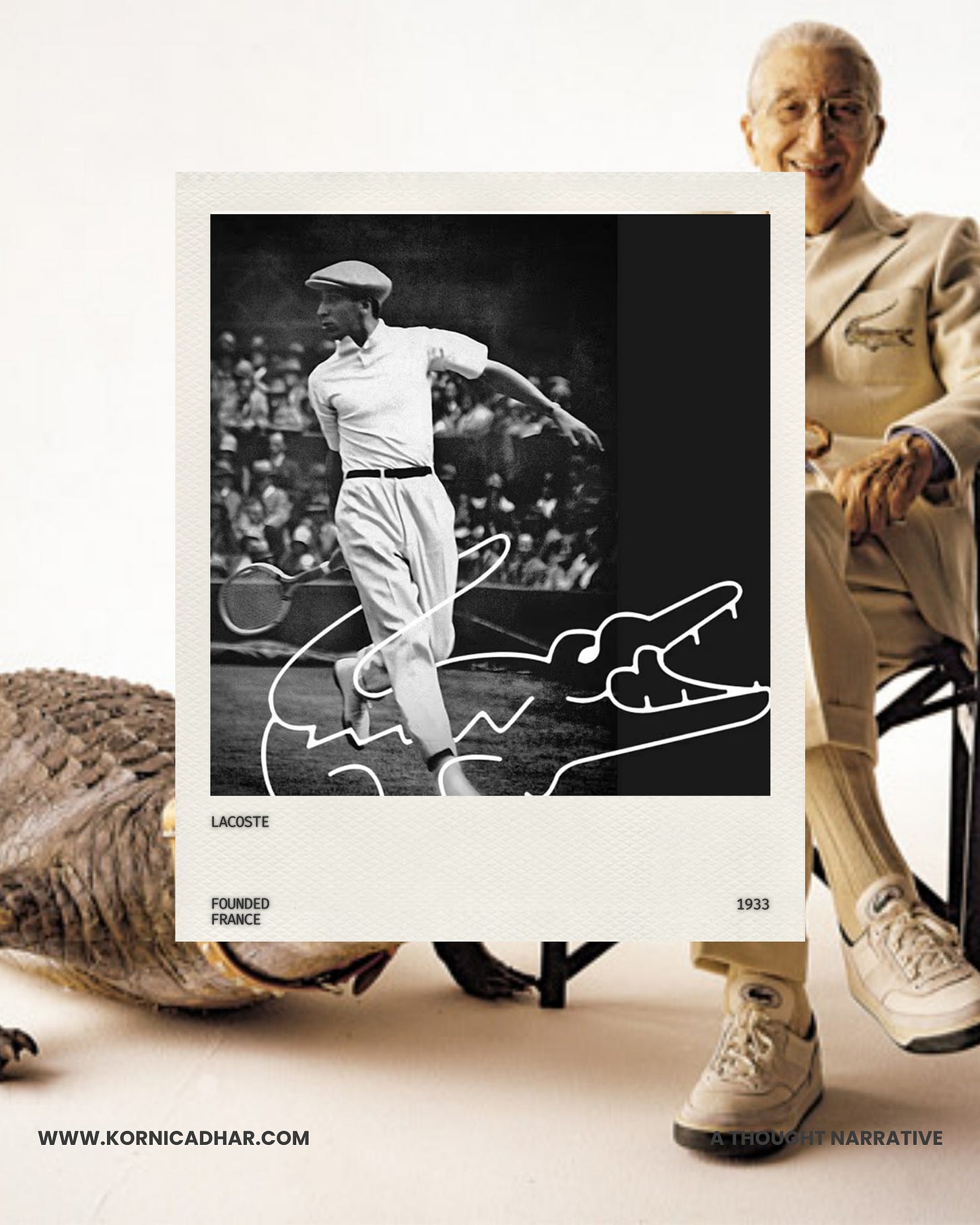
Now, with the development of permanent padel courts in Courchevel, the brand is once again investing directly in the conditions of sport, while also recognising sport as a leisure activity. When brands build spatial structures and place them strategically, they influence behaviour and shape habits, encouraging familiarity and routine that build trust over time.
The courts are embedded within Courchevel’s sporting infrastructure and engineered for year-round play. Their integration into the landscape establishes a lasting relationship with place.
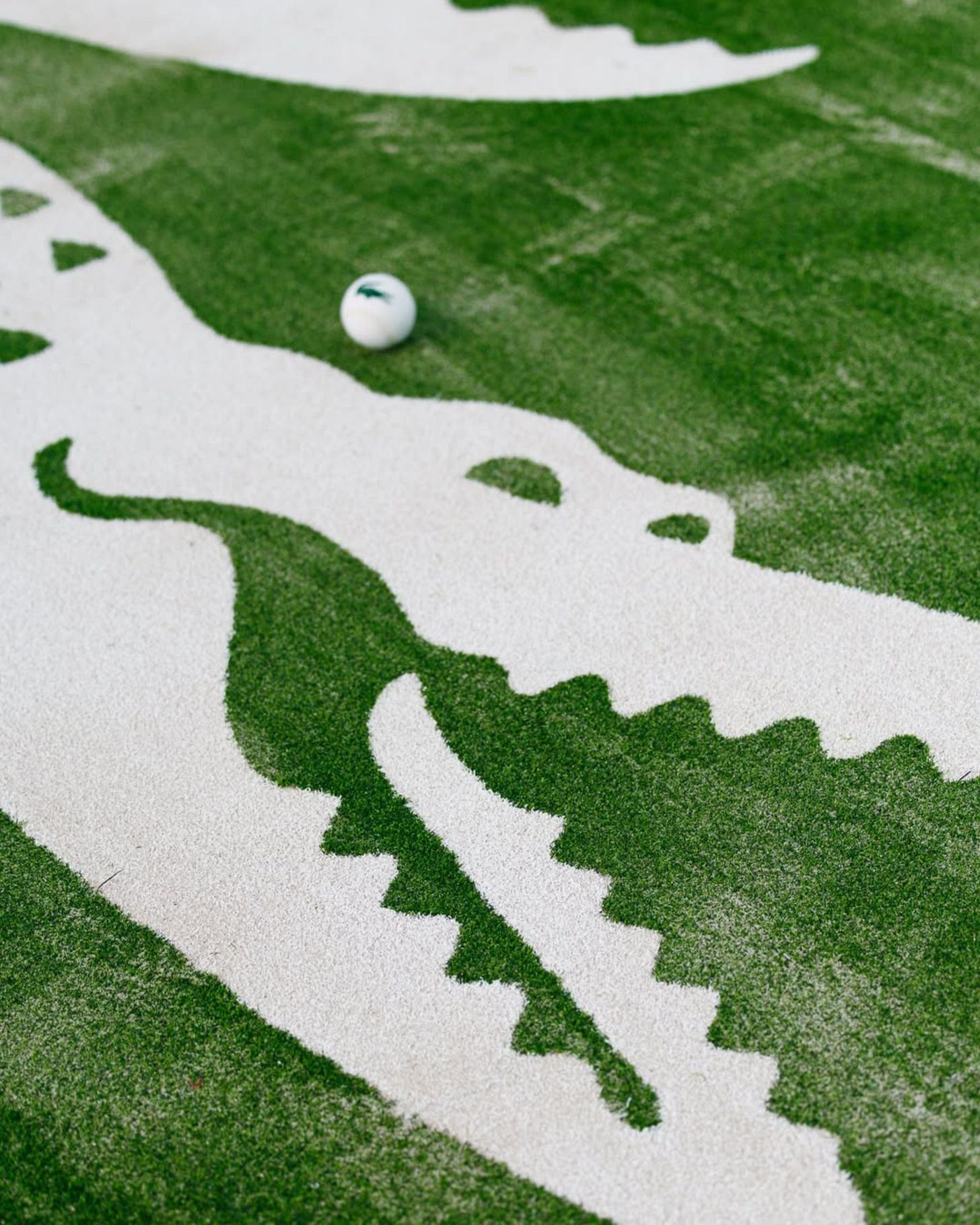
Courchevel offers important context. The resort operates as a destination where sport, hospitality, property, and social ritual intersect. Athletic activity here unfolds within cycles of travel and seasonal return. Participation carries cultural weight because it is repeated, observed, and shared. Within this setting, the courts function as a social infrastructure, supporting interaction and continuity.
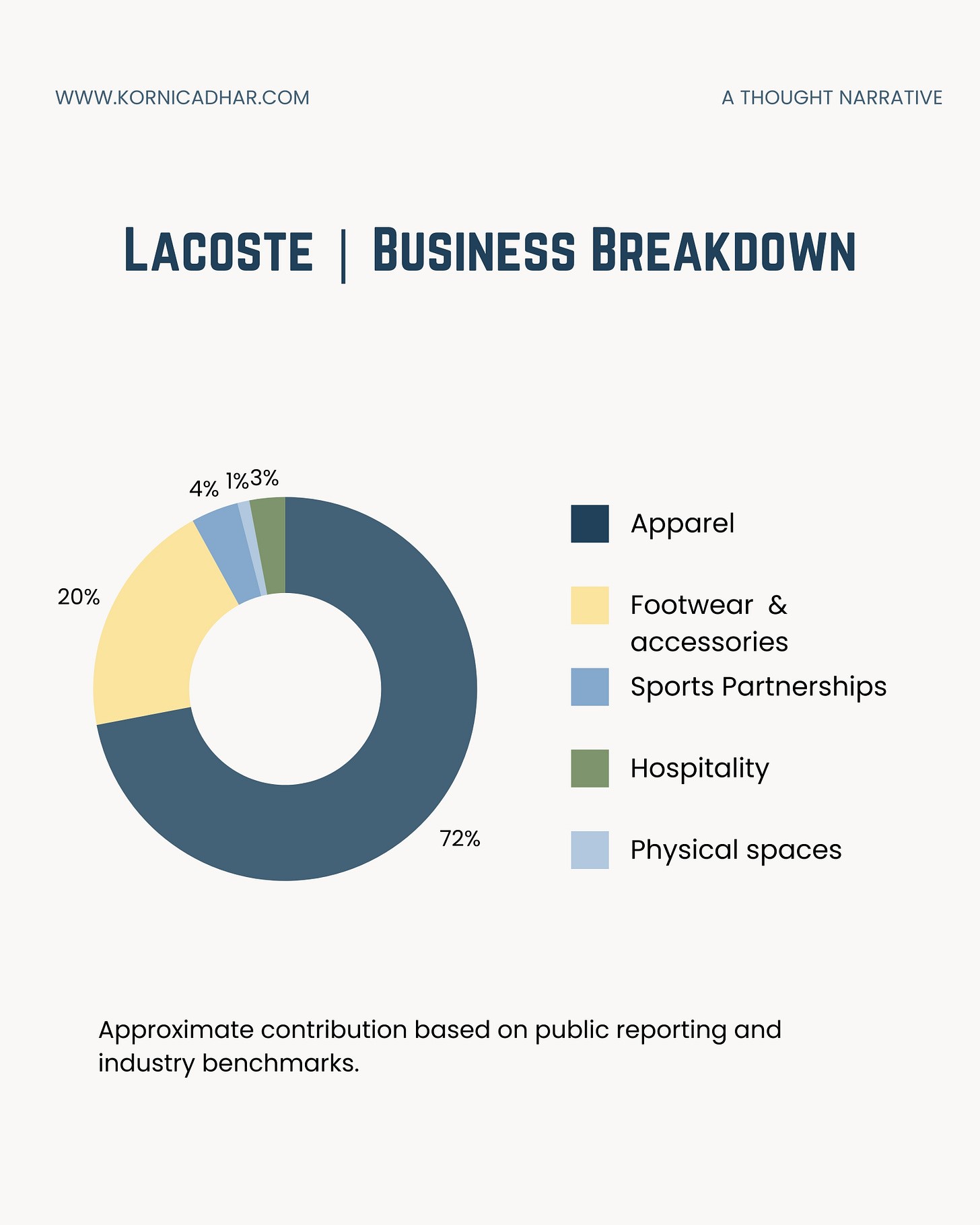
This decision aligns closely with Lacoste’s broader business trajectory. Apparel continues to form the commercial foundation of the brand, while growth over the past decade has been supported by carefully chosen adjacencies. Footwear, accessories, hospitality-linked experiences, and curated retail environments have expanded Lacoste’s presence without disrupting its identity. Each extension reinforces a coherent vision of modern leisure.
Physical infrastructure deepens this approach. Built spaces require maintenance, stewardship, and long-term relevance. By investing in courts, Lacoste places itself within the everyday rhythms of sport, becoming part of the environment in which activity unfolds.
Padel offers a fitting expression of this strategy. The sport has grown through its accessibility, social rhythm, and capacity to bring people together around shared play. It supports competition while remaining conversational. Within a destination such as Courchevel, padel integrates naturally into a broader leisure culture shaped by travel, sociability, and return.
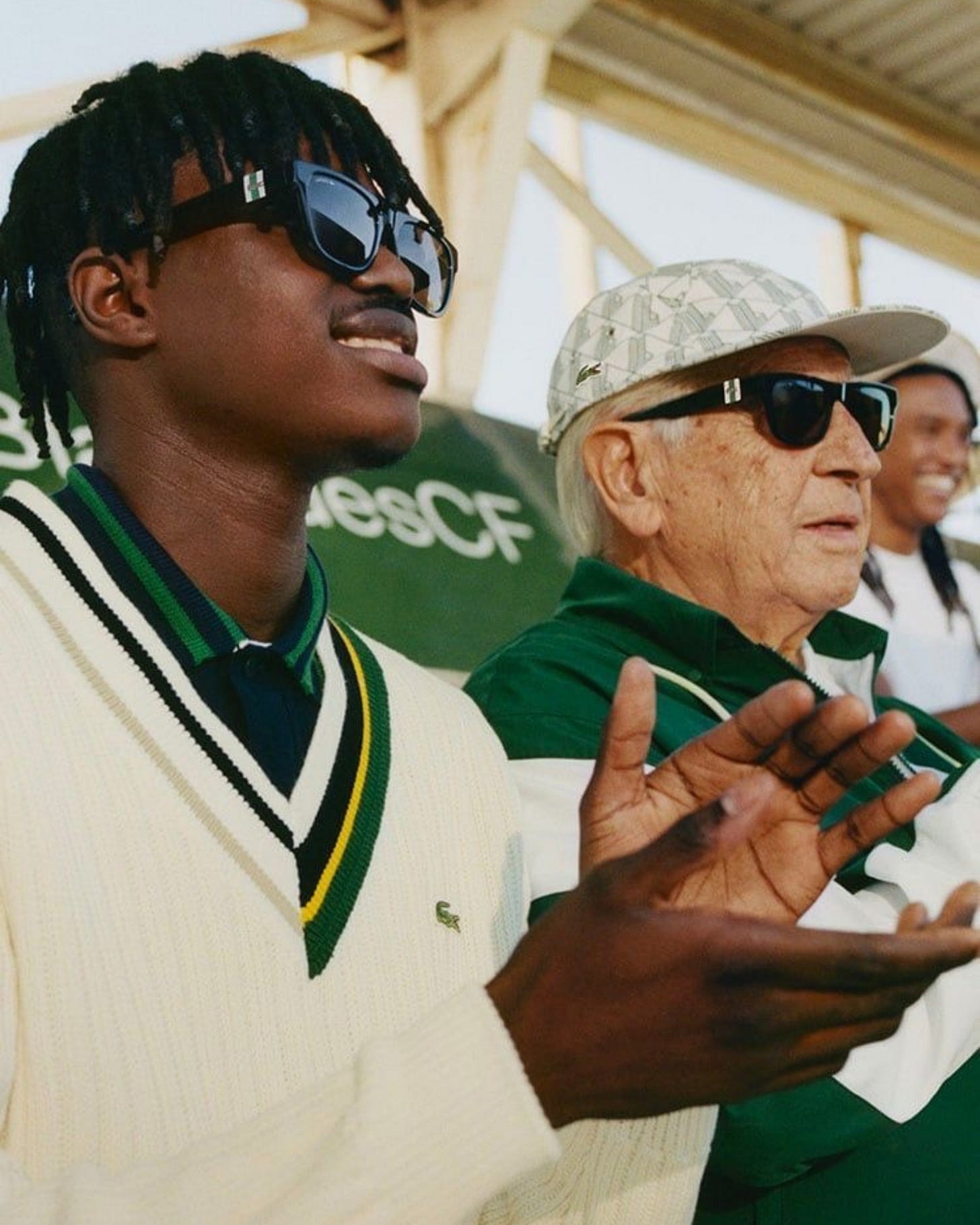
The Courchevel courts also engage a leisure-oriented, global, and well-travelled audience, largely within the HNI and UHNI segment. These are patrons who are either already familiar with the brand or will encounter it organically through this physical presence. The association works in favour of both parties, strengthening alignment through context.
This move also reflects a wider evolution in how established sports brands are thinking about long-term relevance. As attention fragments and traditional sponsorship models become less reliable, infrastructure embeds brands into routine. This is not a short-term play, and personally, I have a great deal of respect for brands that choose to build with patience, intention, and a clear view of the future.
Viewed in this light, Courchevel offers insight into Lacoste’s future direction. The brand positions itself within contemporary sport by shaping conditions for participation and investing in spaces that encourage movement, sociability, and continued engagement.
What has been established in the Alps extends beyond a sporting facility. It reflects a belief that relevance grows through physical commitment and sustained engagement. By grounding itself in place, Lacoste reinforces a vision of sport as a physical practice that is lived, returned to, and carried forward over time.
About the Author
Kornica Dhar works across brand, culture, and narrative strategy, focusing on how businesses build clarity and relevance as they grow. She works closely with founders and leadership teams, particularly in categories shaped by identity, trust, and long-term decision-making. She is the founder of A Thought Narrative, a growing community and platform for thoughtful engagement with brands, culture, and ideas. Through her writing, she shares observations shaped by ongoing work across brand and strategy.
Disclaimer
All brand names, trademarks, and visual assets referenced remain the property of Lacoste, its respective owners, and associated agency partners.
This article is original editorial commentary authored by Kornica Dhar and published via A Thought Narrative and kornicadhar.com.
Kornica Dhar